

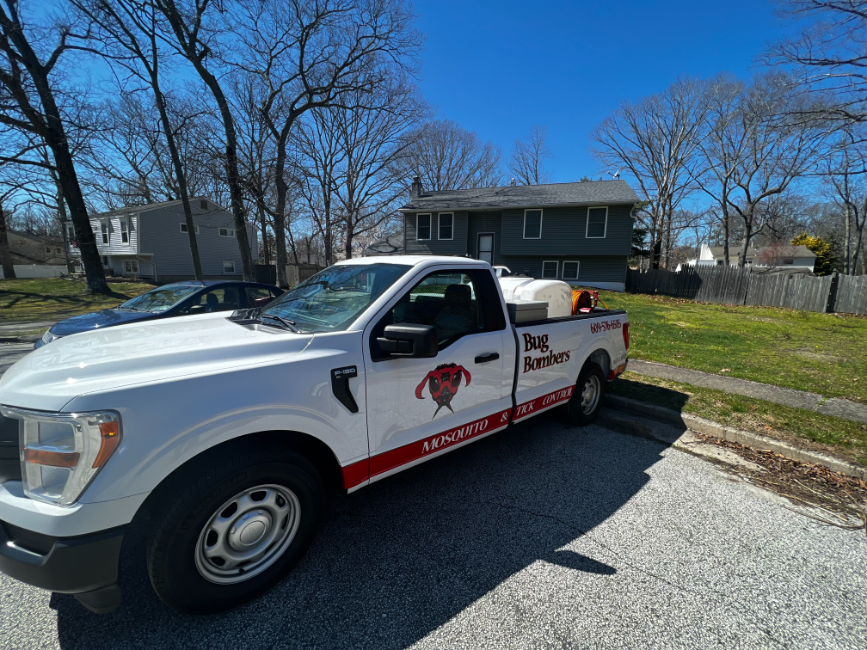
If you live in Cherry Hill or the nearby Pennsylvania suburbs, you already know our yards and parks are part of why we love this area. Those same green spaces can attract ticks that carry illnesses like Lyme. Ticks remain active from late spring through early fall in our region. That is why many homeowners choose professional tick control to protect their families and pets before warm weather peaks.
In South Jersey and across the river, blacklegged ticks thrive in shaded, humid spots. They are small and easy to miss, especially in nymph stage. A single undetected bite can expose people or pets to disease. Lyme disease can have lifelong effects if not addressed early. Protecting your yard reduces the odds of bringing ticks inside after time outdoors.
Our local season typically ramps up as school lets out and stays active through early fall. Families in neighborhoods like Barclay, Kingston Estates, Springdale, and Greentree spend more time outside from June through September, which lines up with peak tick activity. That timing is why proactive yard treatments through summer and early fall are so important.
Local insight: After rainy springs in South Jersey, tick activity often spikes along wood lines and shaded beds. Keep play areas and pet paths away from dense shrubs and leaf litter, and schedule treatment before summer gatherings.
Residential programs target the places ticks live and travel. A trained technician evaluates your property, applies targeted products to high-risk zones, and schedules follow-up visits to maintain a protective barrier. Never rely on a single treatment to protect your family or pets. A seasonal plan helps keep pressure down as new ticks emerge.
These areas create the cool, humid microclimate ticks prefer. By focusing on the right zones, your service reduces contact where kids play and pets roam.
Technicians use professional products according to the label and adjust the plan based on your property’s layout and seasonality. Treatments are selected with people and pets in mind and are applied where they will be most effective.
Waiting until you see ticks on a pet or a person is too late. Nymphs are tiny and easy to overlook, and they are active when families are most outdoors. A proactive schedule maintains the barrier during the busiest months and cuts down the chance of ticks crossing into play spaces or patio areas.
Cherry Hill’s tree-lined streets, greenbelts, and proximity to parks like Pennypacker Park and the Cooper River trail system create ideal habitat. Many homes have shaded beds, wood fencing, or natural areas along the back property line. Those features are beautiful, but they can also be tick highways. Nearby Pennsylvania suburbs with similar landscapes face the same conditions, so a consistent program helps on both sides of the river.
Your service plan is the foundation. Simple, everyday choices help it work even better without any DIY applications. Keep firewood stacked in dry, sunny spots, and store outdoor gear off the ground so it is less likely to pick up hitchhikers. Always consult your veterinarian about tick prevention for your pets.
Our local team understands South Jersey and nearby Pennsylvania weather patterns. We plan service windows around when ticks are most active and when families host backyard events. If you want details on how our treatments target high-risk areas and keep coverage going all season, explore our dedicated page on tick control.
It helps to remember that risk is about exposure plus time. If your property borders woods, has heavy shrubs, or backs to a trail, you likely see higher pressure. Families with outdoor-loving pets should consider a seasonal plan to reduce contact. Pair that with regular veterinary guidance and smart yard use, and you lower everyday risk in a practical way.
Small children spend more time near the ground in shaded areas where ticks like to wait. Pets explore brushy routes that people avoid, which increases the chance of picking up hitchhikers. A protective perimeter along beds and fence lines helps shield play sets, lawns, and patios. Parents appreciate the peace of mind during summer cookouts, sports practice in the yard, and weeknight playtime after dinner.
Tick populations shift with rainfall, heat, and humidity. A plan that is reviewed and refreshed through the warm months keeps your guard up as conditions change. That is the difference between a one-time spray and a thoughtful seasonal program designed for our area’s climate and yard styles.
Most homes benefit from getting on the schedule in late spring so the first barrier is set before peak outdoor time. If you are already into summer, it is not too late. Starting now and keeping consistent through early fall still reduces pressure for backyard gatherings, birthdays, and weekend grilling.
Ticks are part of a larger seasonal cycle in our region. If you would like to read more about how local conditions influence pests throughout the year, visit our resources hub. You will find guidance that helps you understand what trained pros look for during each season.
In cul-de-sacs or along shared green spaces, what happens next door affects your yard. If your block backs up to the same tree line, consider talking with neighbors so more than one property is protected. Coordinated timing helps reduce the overall pressure in your immediate area.
With a maintained barrier, families report fewer encounters in play areas and near patios. Pets spend time outside with less worry about hitchhikers coming back inside. You also gain clarity, because a set schedule means you are not guessing when to treat or how much coverage you have left.
Local pros understand Cherry Hill microclimates, shady lots, and the way weather off the river can shift humidity. That knowledge shapes a program that fits our neighborhoods rather than a one-size-fits-all plan. If you are addressing other seasonal concerns too, our broader pest control services can coordinate visits so your home stays on a simple, predictable rhythm.
If your family enjoys backyard dinners, kids’ play dates, or morning coffee on the patio, consider setting up a seasonal plan now. To learn more about coverage windows and how treatment timing aligns with peak activity, see tick control NJ information on our home page and explore our educational articles in the resources section. A little planning now helps you enjoy the best months of the year with greater peace of mind.
Ready to reduce risk where your family and pets spend the most time? Call Bug Bombers at 609-576-6585 to schedule or ask questions about a seasonal program tailored to your yard. You can also start by requesting service through our page on tick control. We look forward to helping you enjoy a safer, more comfortable outdoor season.
A little preparation goes a long way toward better mosquito and tick control. When your property is easy to access and vegetation is in the right condition, products reach the places where these pests live and breed. Use this guide to get your yard ready for […]
If you want fewer bites and more backyard time this year, timing your mosquito and tick control in Cherry Hill, NJ matters as much as the product itself. Start early, follow a steady schedule, and let Bug Bombers build a plan that tracks with local weather […]